The Library of Chinese Studies was established in 1927 as part of the Institute of Advanced Chinese Studies (IHEC), which was founded in 1920. It expanded rapidly thanks to generous funding from the Ministry of Foreign Affairs and the guidance of scholars such as Marcel Granet, Paul Pelliot, Henri Maspero and others. In the 1950s, it was expanded to include the extensive collection of the Centre for Sinological Studies at the University of Paris in Beijing. It also received substantial bequests from Louis Hambis and other professors.
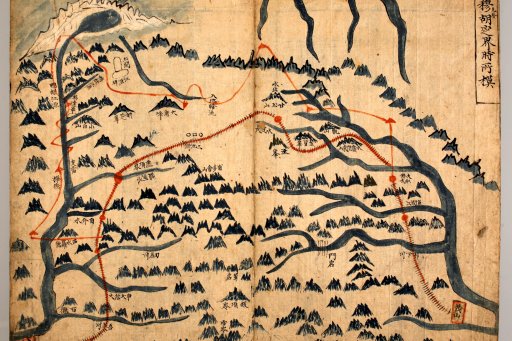
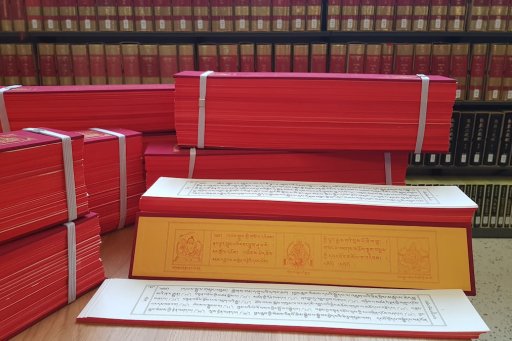
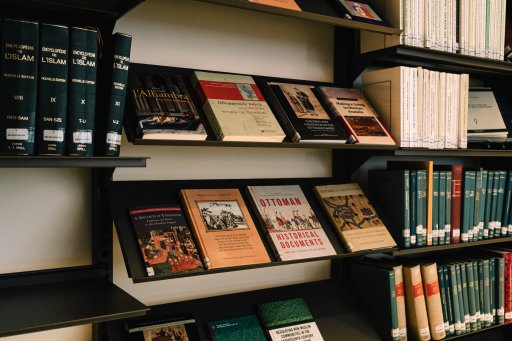
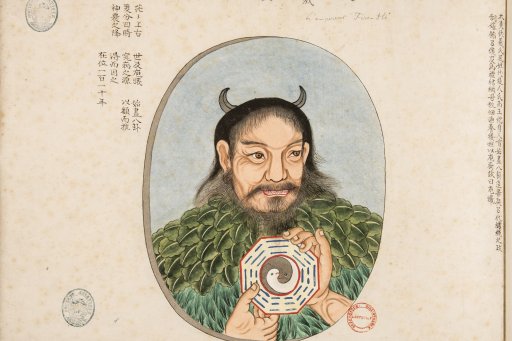
The IHEC library has been part of the Collège de France’s libraries since 1972. It houses one of Europe’s leading collections of Sinology. Its holdings exceed 120,000 titles in 140,000 volumes, and 1,600 periodical titles are available for consultation, 400 of which are currently in print. The library mainly holds works relating to pre-imperial and imperial China, but it also contains a significant collection of rare works dating from the republican period. Its collection of ancient local gazetteers ( difangzhi 地方志) is the largest in Europe; it also boasts an impressive collection of anthologies ( congshu 叢書, 1,400 titles), as well as a collection of rare books ( shanben 善本). Also worth mentioning are 34 original copies of imperial examination papers from the Qing dynasty (1644–1911), as well as 1,600 antique prints.
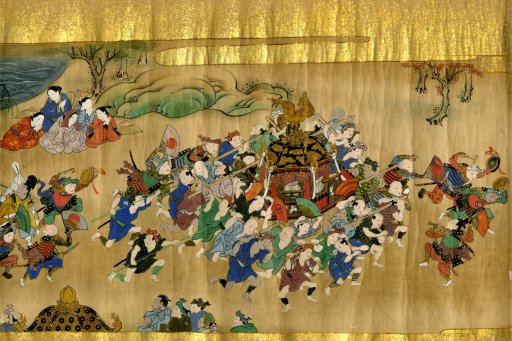
The library’s remarkable collections are gradually being digitised and made available online via Salamandre, and featured on the Collège de France libraries’ blog .
These historical collections are enriched year on year with new acquisitions: secondary works published in all languages, major collections of reprints of old works (systematically catalogued), new journals, etc.
In May 2021, the library was awarded the ‘CollEx – Collections of Excellence’ label, which enables it to be involved in national projects relating to the cataloguing of collections and digitisation, or to participate in calls for proposals involving researchers.

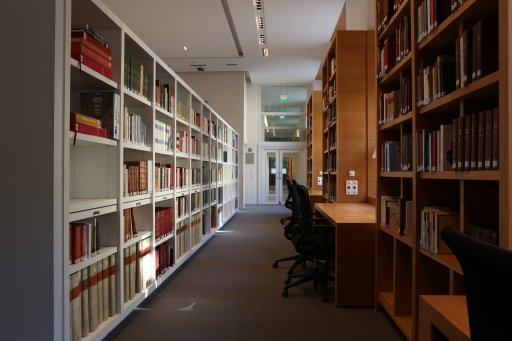
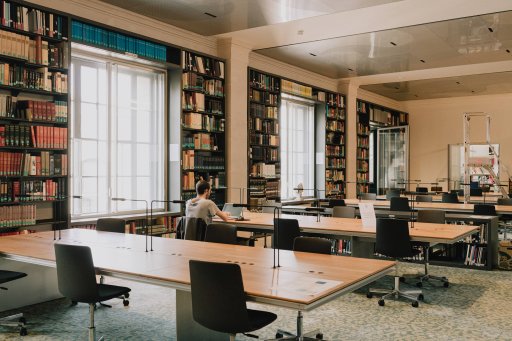
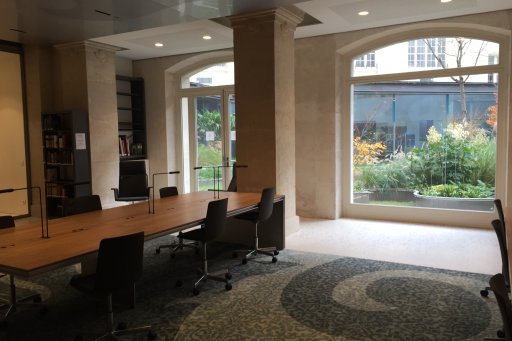
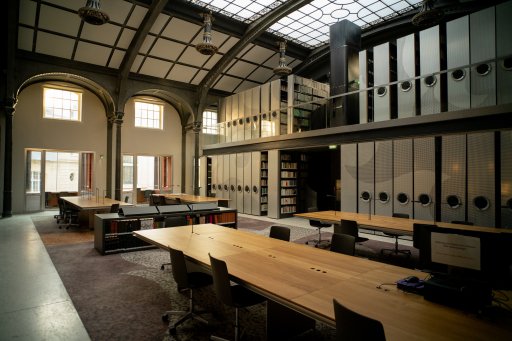
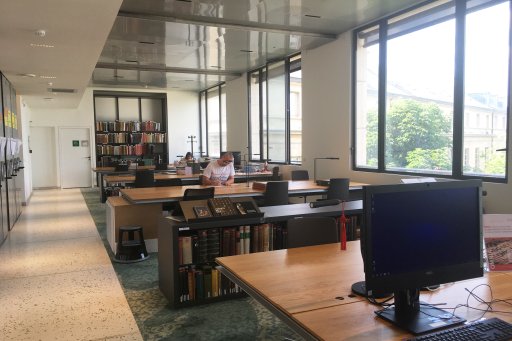
The library offers 58 seating places, including 3 study cubicles and 2 group study rooms, in a reading room shared by the five libraries of the Asian Worlds.