
For more than twenty-five years now, we have been able to analyze the genomes of different animal species (including our own), and see how similar these genomes are not only in their content (e.g. genes), but also in their structure and functional organization. However, many differences are also observed, at various analytical scales, ranging from the level of substitution of a single DNA base in a sequence of interest, to the number and general organization of chromosomes, to the massive presence of a range of transposable elements. While the link between, on the one hand, these different versions of a typical genome, which are nevertheless all based on the same operating rules, and, on the other, the morphological and physiological differences that define species, the precise causalities between our genetic material and the organisms that will derive from it remain to be clearly defined. Here again, questions of genetic determinism and the nature of the information transmitted remain unresolved. It is accepted that changes in DNA were necessary to drive and/or accompany the evolution of animals, but what changes are we talking about ? Small modifications in certain genes ? Abrupt reorganizations of chromosomes ? Invasions of external elements upsetting fragile regulatory systems ?
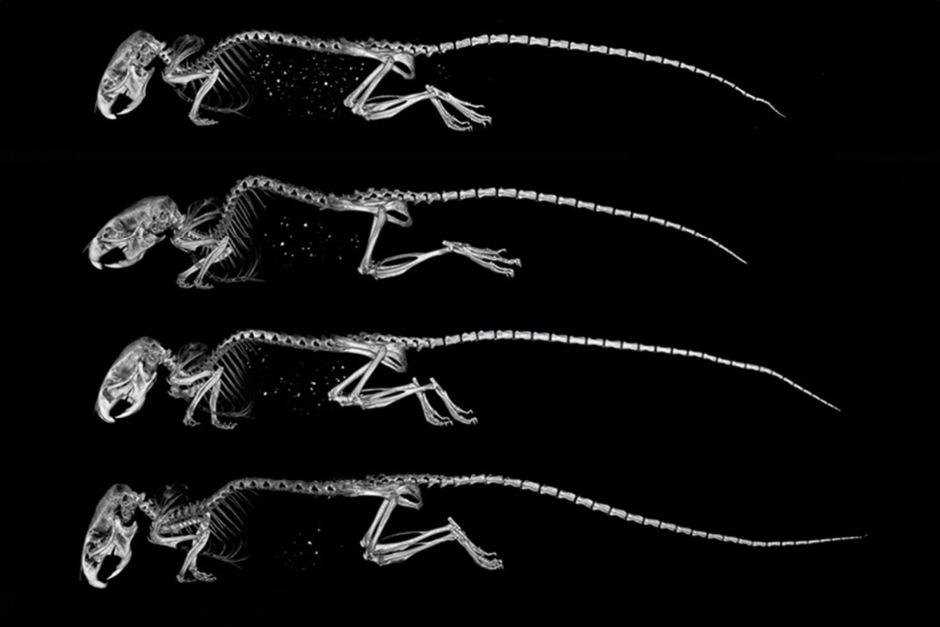
This lecture will begin with a brief introduction to the principles of evo-devo. Then, the different ways of considering the role of our genes in animal evolution will be discussed, based on a few examples of recent work that illustrate these variations, both in thinking about the problem and in experimental approaches to solving it. These examples will have in common the study of a classic question in mammalian molecular genetics : how on earth did humans lose their tails ?