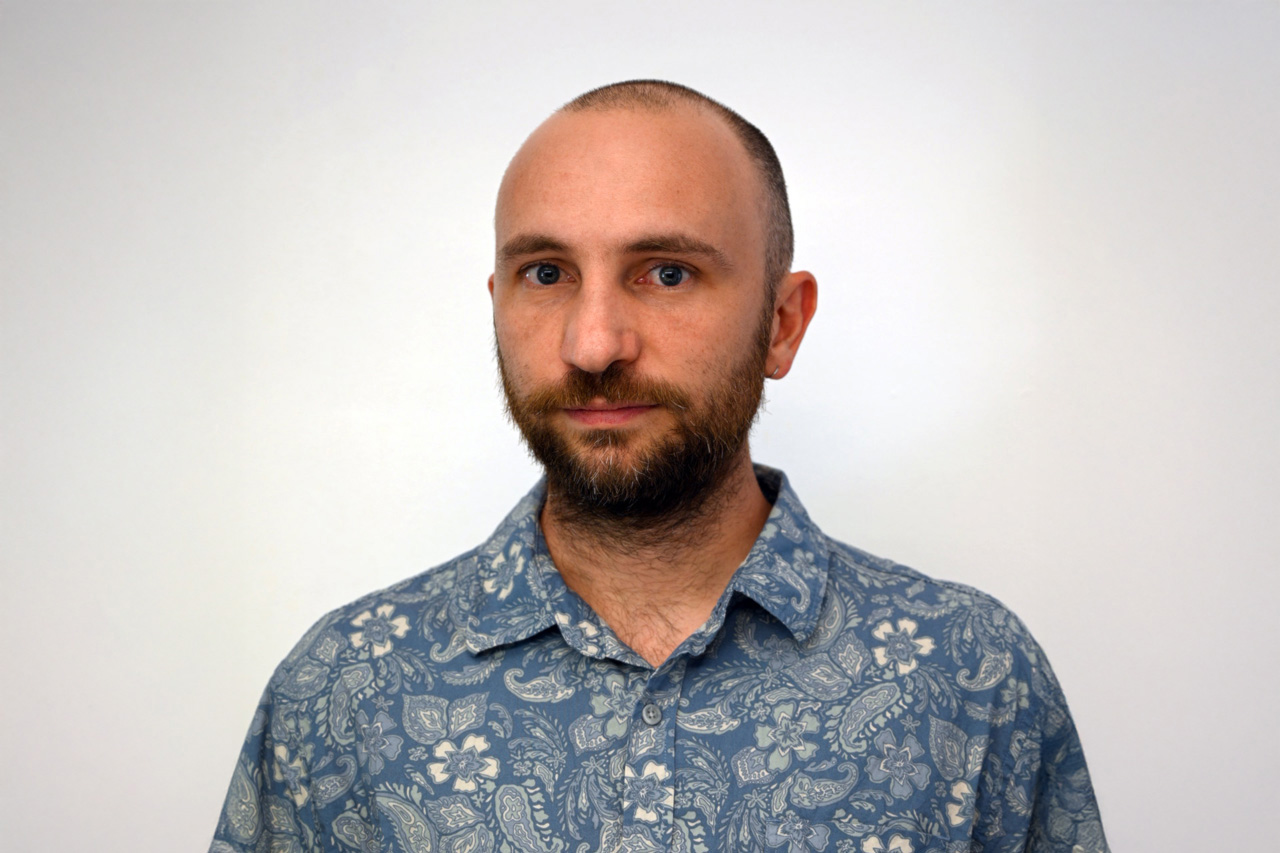
Lecture by Christophe Botella, winner of the Collège de France Award for Young Researchers in 2026.
Abstract
Biodiversity management relies on a precise understanding of species distribution and how this changes in response to environmental shifts. Over the past decade, a massive influx of so-called ‘opportunistic’ observational data – lacking information on species absences – has emerged, primarily from citizen science platforms such as Pl@ntNet.
These data constitute a wealth of information that is difficult to exploit, as observers’ behaviour introduces marked variations in detection rates – across space, time and between species. These sampling biases act like a broken mirror, distorting our view of biodiversity.
I will present the major challenges that have shaped my research and the methods developed to overcome them: the mathematical representation of sampling biases, their correction through statistical modelling, deep learning to efficiently process big data and predict thousands of species at high spatial resolution, the combination of opportunistic observations with inventories, the open evaluation of biodiversity models, and the implementation of a detailed map of European flora.
