The Asiatic Society was founded in Paris in 1822, at a time when Oriental studies were sparking a general sense of curiosity and anticipation in intellectual circles. As the first scholarly society of its kind in Europe, it served as a model for the Royal Asiatic Society, which was established in London a year later. The goals of the Asiatic Society were “to encourage the study of the languages of Asia” by promoting the compilation and publication of dictionaries and educational works, “to acquire Asian manuscripts, disseminate them through printing, and have excerpts or translations made of them,” and “to maintain relations and correspondence with societies (...) and with Asian or European scholars” (Bylaws of 1822, § I, Articles 1–3).
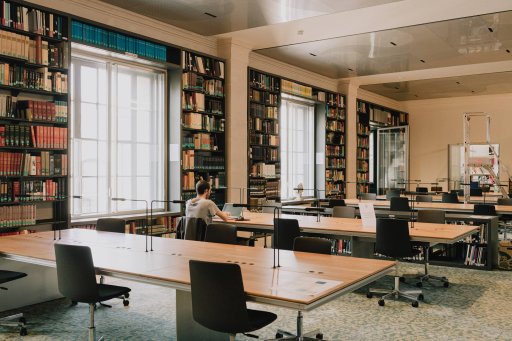
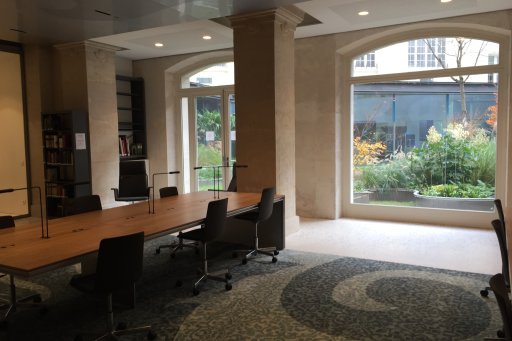
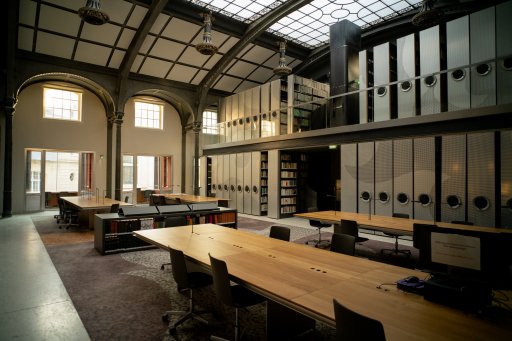
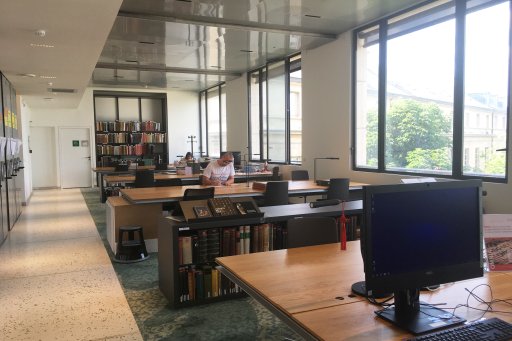
The Society’s areas of interest quickly expanded beyond philology to encompass the entire field of Oriental studies. For nearly two centuries, the Society’s members have been specialists in the Orient: French and foreign, professionals and amateurs, from all disciplines. The Société Asiatique’s main activities include holding monthly meetings and annual conferences, as well as the continuous publication since 1822 of the Journal Asiatique and other works. In addition, it has developed a specialized library—an invaluable resource—that is used by numerous researchers.
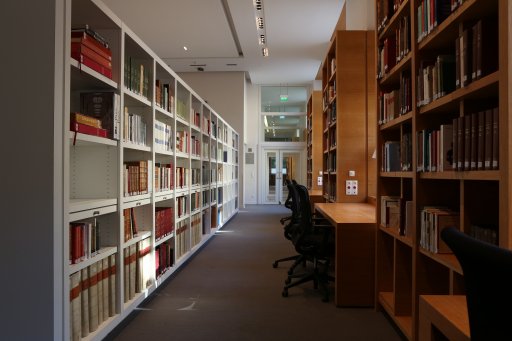
An independent association, recognized as a public-interest organization since 1829, the Société Asiatique maintains partnerships with prestigious institutions such as the Collège de France and the Académie des Inscriptions et Belles-Lettres, to which a large number of its members have belonged and continue to belong. Since 1989, its library has been housed at 52 Rue du Cardinal Lemoine, pursuant to an agreement signed between the Ministry of National Education and the Société Asiatique in accordance with a perpetual commitment by the State dating back to 1924. It is naturally situated there alongside the Collège de France’s Far East Center.
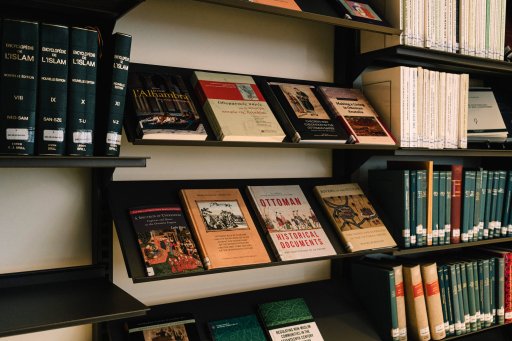
The Société Asiatique’s library is the result of a succession of donations and bequests made since the founding of this scholarly society. It has also been enriched through exchanges between the Journal Asiatique, a biannual scientific journal, and most international journals devoted to Oriental studies, as well as through donations of their own publications by its members.
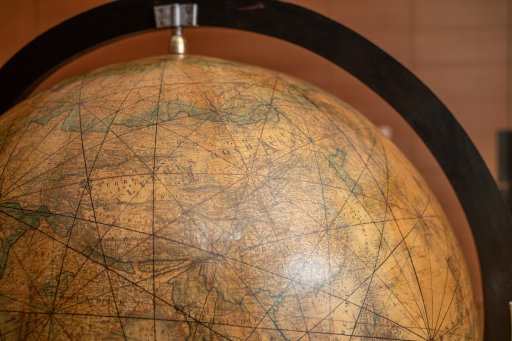
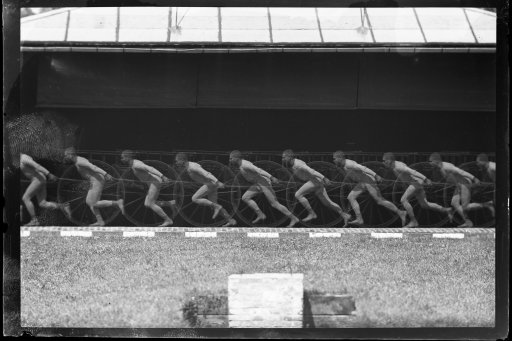
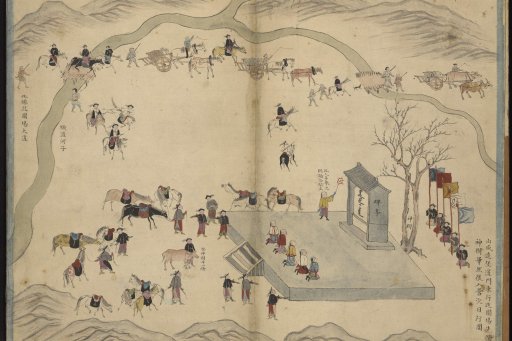
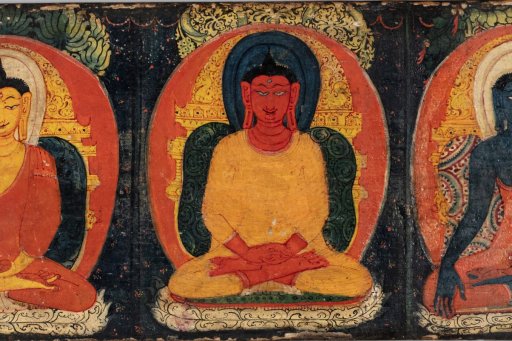
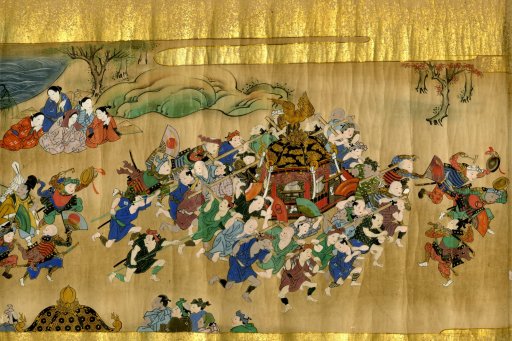
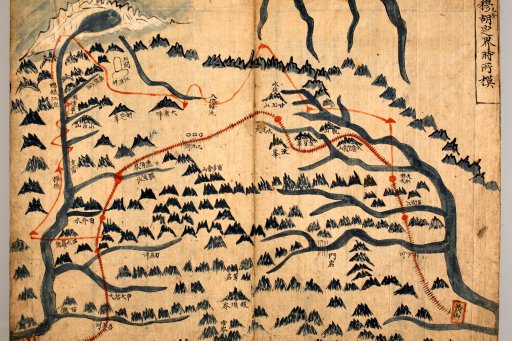
Currently, the library holds more than 100,000 volumes (in 54 languages, from 80 countries) and 200 active periodical titles, in addition to iconographic materials, maps, prints, historical photographs, and archival collections—some of which are currently being cataloged.
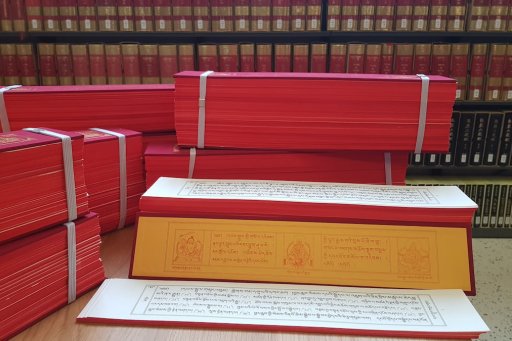
This collection—remarkable for its diversity and richness—reflects the interests and fields of study of both renowned and lesser-known Orientalists who bequeathed their personal libraries to the society of which they were members and, in some cases, administrators. The most significant collections, both in terms of quantity and the rarity of their contents, are those of Edouard Chavannes (1865–1918), Henri Maspero (1883–1945), Paul Demiéville (1894–1979), and Jean Filliozat (1906–1982). Other collections, smaller in size but of immense scientific interest, are also preserved: these include, among others, the collections of James Hamilton (1923–2003) and Louis Bazin (1920–2011) on the Turkish world and Central Asia, the Foucher (1865–1952) and Emile Sénart (1847–1928) collections on Buddhist art and India, as well as the Tibetan collection bequeathed by Jacques Bacot in 1971.
As the only private library affiliated with the libraries of the Far East Division of the Collège de France, it complements the collections and strengthens the synergy of the Institute of Civilizations.
Access to Oriental manuscripts, certain maps, and the archives is subject to the approval of the president of the Société Asiatique, to whom a written request must be submitted.
In 2018, the library’s collections were designated “Collections of Excellence ” by the Ministry of Higher Education, Research, and Innovation.