
Presentation
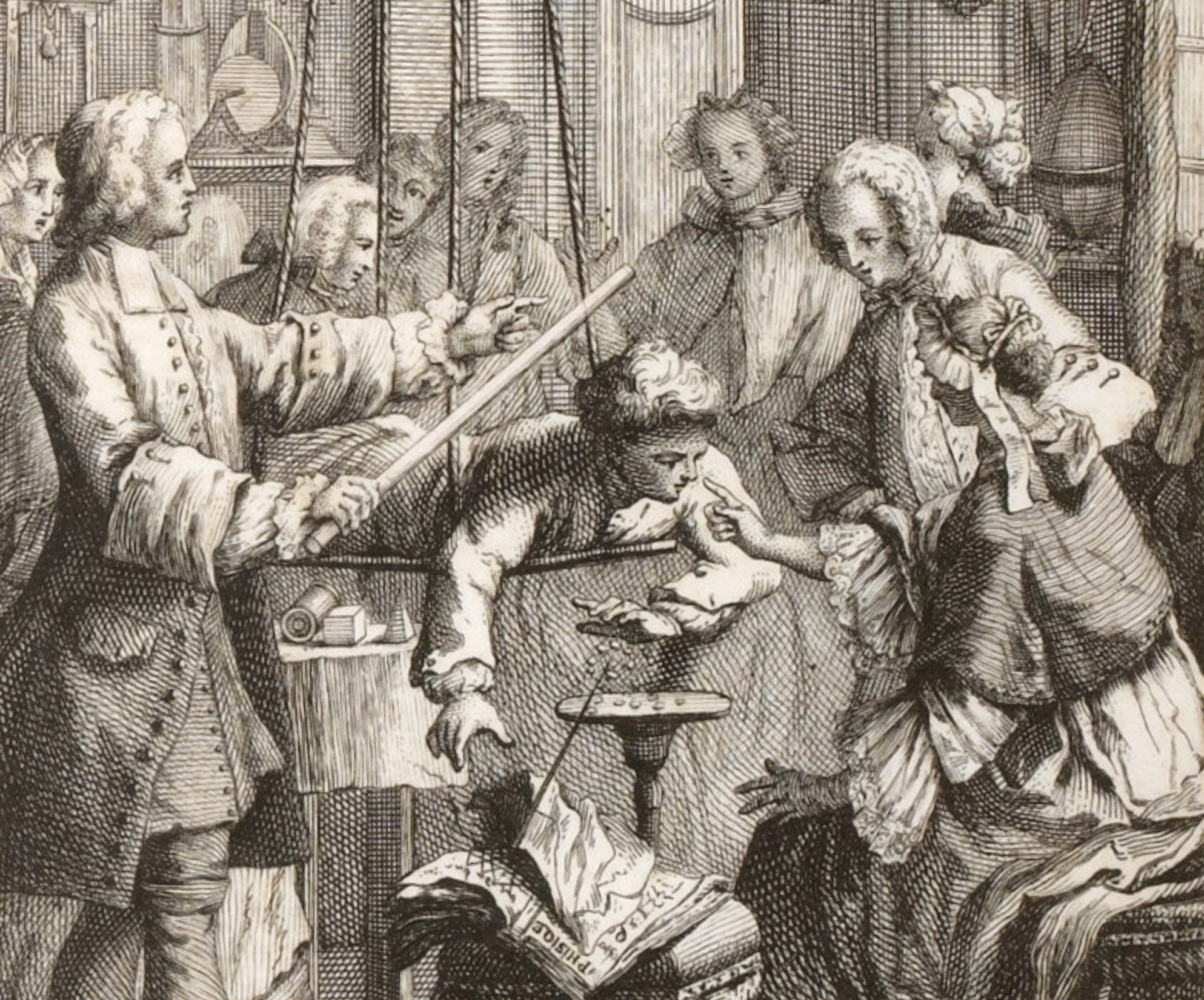
In 1738, in his Eléments de la philosophie de Newton mis à la portée de tout le monde (Elements of Newton's philosophy made accessible to everyone), Voltaire justified his enterprise by saying: "The science of nature is a good that belongs to all men". This does not mean that everyone can contribute equally, but that everyone is entitled to know the results. The universality of science lies not only in its ability to enact laws that are valid everywhere and at all times; it also implies that the knowledge produced is universally shared, that it becomes a common good. The Newtonian, then Lavoisian and Linnaean paradigms, which have so often served as models for the definition of modern "science", have long been associated with the need to publicize scientific knowledge: it must be made available, both materially and intellectually, through intermediaries such as Voltaire, so that everyone, and especially those who have neither the possibility nor the time to enter into the details of calculations, can have "knowledge of their good".
This Enlightenment ideal of openness and publicity clashed with the supposedly closed, secretive culture of artisanal knowledge, and with the hierarchy and selectivity of learned institutions. But these cleavages have been profoundly debated. Although publicizing the sciences was at the heart of the Enlightenment project, from the XVIIIth century onwards, it posed as many problems as it solved. Who will be responsible for publishing scientific results? Can the public settle disputes between scientists? The public's entry onto the scholarly scene transforms the social perimeters of its analysis: what role do women, amateurs and craftsmen play in this scholarly world that is both specializing and open to the public? What was the place of lay knowledge in the scholarly world of the Enlightenment? Can the dissemination of science escape being made into a spectacle, simplified and abused by half-savants and charlatans? The social openness generated by the Enlightenment's new approaches also calls into question the very category of science itself. Today's issues are no longer those of the cultural turnaround of the 1990s, and this symposium will provide an opportunity to discuss the perspectives opened up, for example, by reflections on the scientific commons, the financing of science, the usefulness of science or intellectual property.