Batteries are at the heart of the European Union’s strategy to decarbonize its economy and energy system. However, this technological solution is embedded in a complex socioeconomic reality that forces researchers to constantly reinvent it.
This text was published to mark the appearance of an article by Prof. Jean-Marie Tarascon, holder of the Chair in Chemistry of Materials and Energy, on the cover of Nature Sustainability .
Like many economic sectors, the French automotive market has struggled over the past two years, hit hard by the COVID-19 health crisis and the semiconductor shortage. One segment, however, has managed to stand out. Sales of electric vehicles surged by about 46%, reaching a 10% market share in 2021 (France Info ). This is unprecedented. The electrification of our cars is well underway, driven by a strong commitment from the French government and the European Union. At the heart of this transformation are batteries, or accumulators, which are inexorably replacing internal combustion engines and enabling our vehicles to run on electricity. In addition to this application, batteries offer a viable solution for storing large amounts of electricity generated from renewable energy sources (notably solar and wind) and for redistributing it as needed.
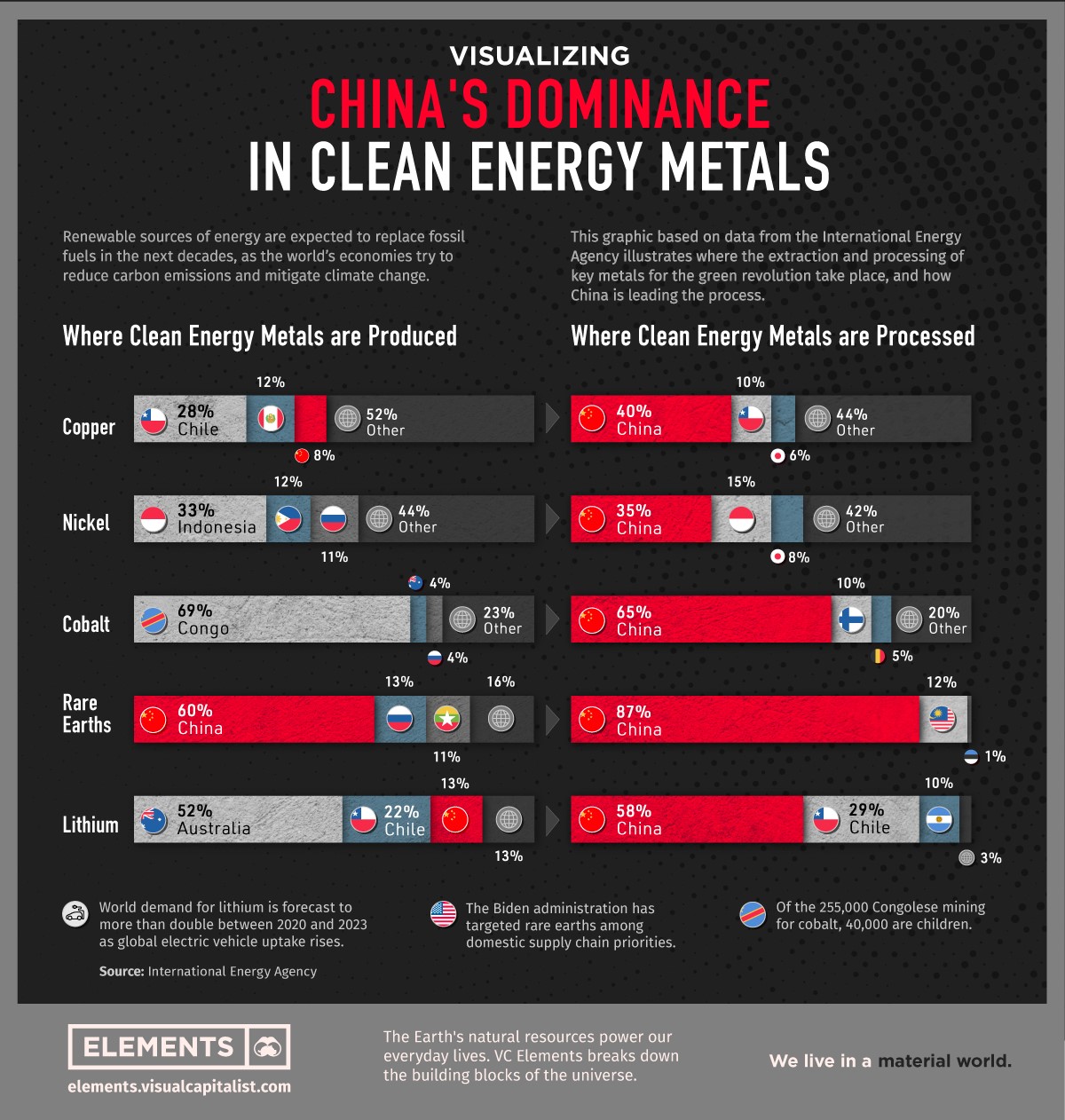
Nevertheless, batteries are not a technological “Holy Grail.” They exist within a complex and ever-changing economic, social, and geopolitical context. Their use and commercialization must be accompanied by a multifaceted and holistic approach. Here are a few examples. Batteries are designed to replace gasoline engines. If these batteries are powered by coal-fired power plants, the associated indirect emissions will exceed those of a running engine. On the other hand, batteries recharged by solar or wind energy will yield a genuine environmental benefit. By way of comparison, to produce the same amount of energy, coal emits 18 times more CO2 equivalents than solar power and 75 times more than wind power (figures from the 2014 IPCC report). Deploying batteries without considering the energy mix is pointless and could even prove counterproductive. Similarly, whether used to power electric vehicles or to store renewable energy, batteries are produced using numerous metals—such as nickel, cobalt, and especially lithium—that are unevenly distributed across the globe. However, Europe possesses neither these resources on its own soil nor the industrial capacity to process and refine them. Lithium, the main component of batteries, for example, comes 86% from three countries (International Energy Agency): Australia, Chile, and China. Worse still, China alone accounts for 58% of the world’s lithium refining capacity. If China decides to halt its exports of refined lithium, Europe’s electrification strategy will be seriously called into question.