Avenir Commun Durable , true to its original mission, has been funding research programs at the Collège de France for several years. Launched by several professors at the institution, the initiative brings together researchers from numerous disciplines to provide scientific solutions to the challenges of climate change. In 2025, the initiative decided to support two ambitious projects. One of them focuses on how to neutralize PFAS.
Perfluoroalkyl and polyfluoroalkyl substances—better known by the acronym PFAS—have been in the news for several years and are now recognized as “forever chemicals.” They are present in a wide variety of products, such as firefighting foams, textiles, cosmetics, and food packaging materials. The success of PFAS is due to their high thermal and chemical stability. Unfortunately, this property also explains why they are particularly resistant to environmental degradation. As a result, they accumulate in biological systems faster than they can be eliminated.
To address this problem, chemists are working to develop environmentally friendly methods capable of effectively destroying or recycling PFAS. For now, incineration remains the most widely adopted strategy. However, this method faces obstacles, notably the need to operate at high temperatures (above 1,000 °C) and the concomitant production of a gas, carbon tetrafluoride, which is extremely stable and contributes significantly to global warming.
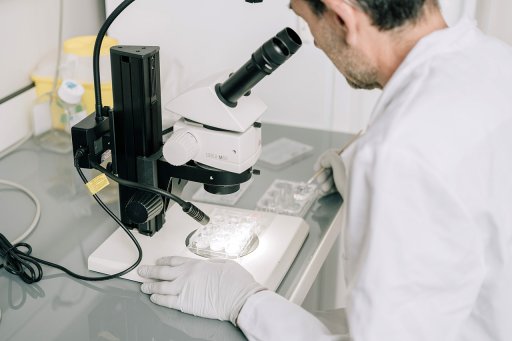
The research program therefore aims to develop an alternative based on the use of silylated Lewis superacids, a chemical reagent capable of eventually degrading PFAS, which would pave the way for their recycling.
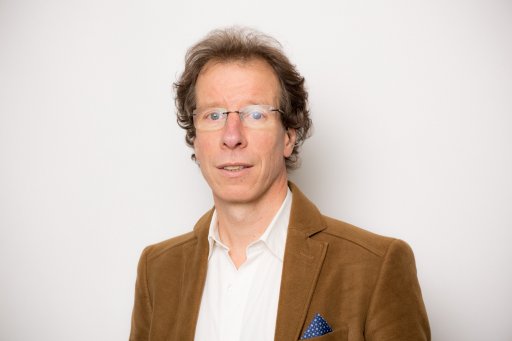
The project is led in particular by Louis Fensterbank , a professor at the Collège de France.
The “Avenir Commun Durable” initiative is supported by the Collège de France Foundation , its major patrons— the Covéa Foundation and TotalEnergies —and its patrons, FORVIA and Saint-Gobain .