Résumé
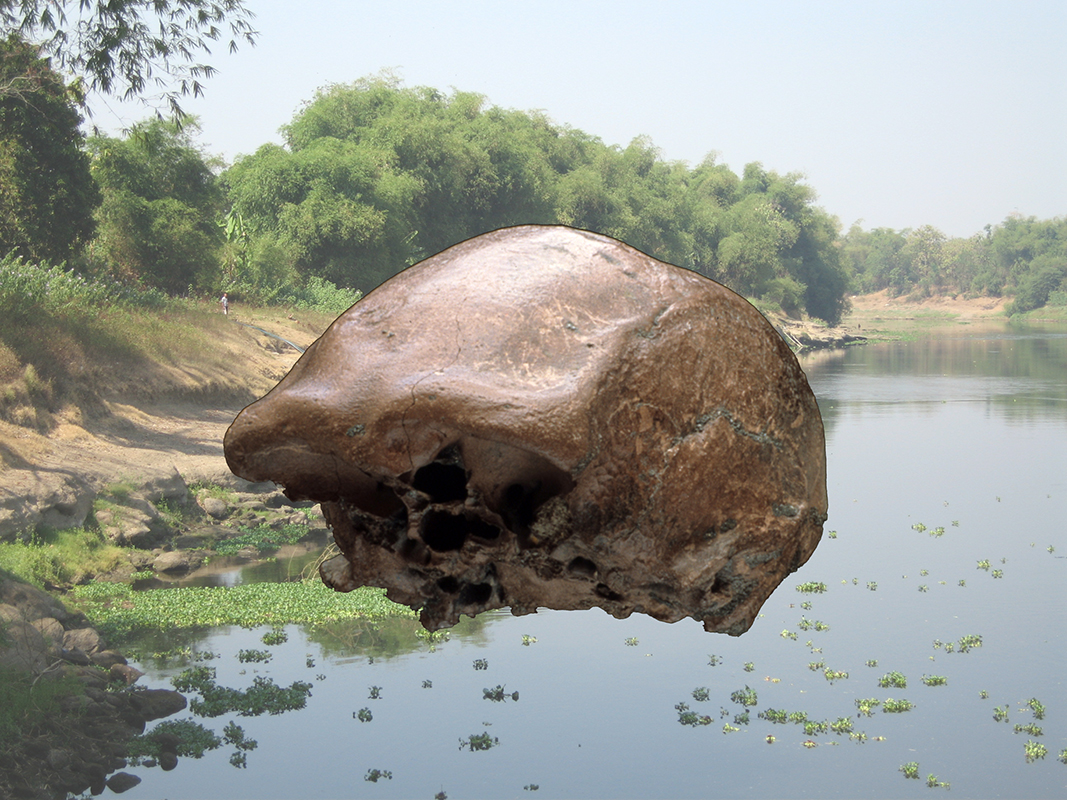
The first discovery of Homo erectus fossils was announced in 1894, more than 130 years ago, from Java. Since then, this species has been central to discussing the evolution of humanity, humans’ first dispersal out of Africa, early cultural development, and so on. However, these developments owe mainly to the fossil record and cultural remains from Africa than Asia, because of relative paucity of succeeding fossil discoveries and research in the latter. This picture is now slowly changing, with new studies promoted by the growing interest of local and external scientists. In this lecture, I will talk about, partly based on my own experience of field research and morphological studies in Indonesia, our current understanding of Asian Homo erectus. Cranial and dental anatomy, the most abundant skeletal part, will be the main focus but I also mention topics such as body size, sexual dimorphism, the evolutionary origins of huma-like helpless infancy.