Avenir Commun Durable , true to its original mission, supports the Collège de France in its research activities. In 2024, following a call for proposals, the initiative decided to support three ambitious projects. One of them is titled “Multiple Perspectives on Atmospheric Water.”
Atmospheric water, present in the form of vapor, liquid water droplets, and ice crystals, plays a significant role in atmospheric and climate physics. Alongside other forms of water, it is the primary medium through which we perceive the effects of climate change. Research on planetary boundaries reveals that the Earth’s natural cycles have been severely disrupted, affecting not only the climate and biodiversity but also key chemical and water cycles.
Contrary to appearances, the management of atmospheric water is a long-standing issue. A look at the past teaches us that, for much of its history, the Mediterranean world has had laws and practices concerning atmospheric water and its management in its various forms. Perceived at times as a resource and at other times as a danger, its capture or control through ritual powers has been a subject of great interest. While these concerns are rooted in a cosmology where religious beliefs play a predominant role—and are today far removed from modern Western legal structures—they treat atmospheric water as a distinct subject, assigning it a specific conceptual framework and legal context.
Paradoxically, contemporary international law and many domestic legal systems largely ignore atmospheric water. Its status, management, and protection are thus not subject to any regulation. In international law, atmospheric water is addressed only through the few instruments relating to environmental manipulation.
Yet this issue is of crucial importance. Fog water harvesting and cloud seeding have become topics of major interest in the context of adapting to climate change. Climate change exacerbates water shortages, contributes to the drying out of vegetation, and leads to a drop in river levels in many regions around the world.
This research project therefore aims to address existing gaps in international law by exploring perceptions of and regulations governing atmospheric water throughout history and across different cultural systems, as well as by contextualizing this contemporary epistemological gap. This resolutely multidisciplinary study, combining international law, ethnography, history, and theology, will engage in an in-depth examination of the means to ensure the sustainable and equitable management of atmospheric water.
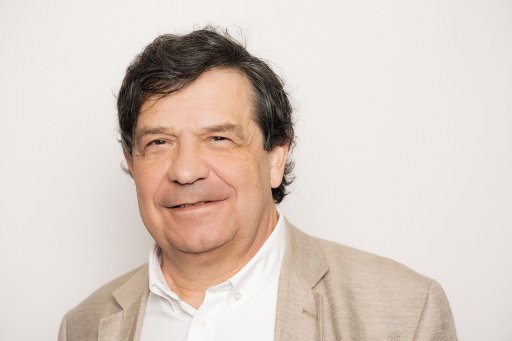
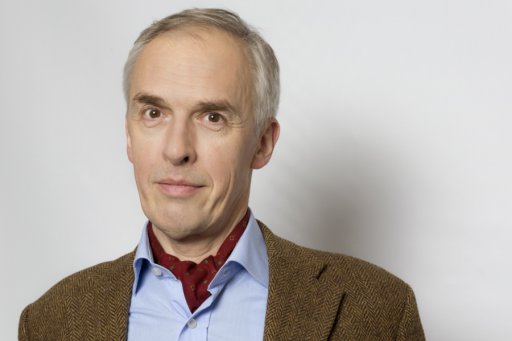
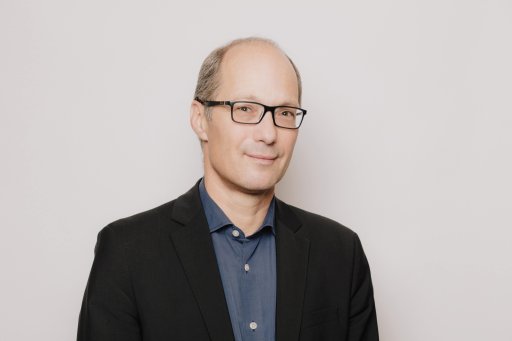
The project is led by Thomas Römer , professor at the Collège de France, and Laurence Boisson de Chazournes , professor at the University of Geneva and former holder of the Avenir Commun Durable chair .
The Avenir Commun Durable initiative is supported by the Collège de France Foundation , its patrons FORVIA and Saint-Gobain , and its major patrons, the Covéa Foundation and TotalEnergies .